
Visiting Petra in Jordan is a dream for many travelers, offering a glimpse into ancient history and stunning architecture.
However, when it comes to capturing the beauty of this UNESCO World Heritage site, there are certain rules and regulations to be aware of.
Understanding whether photography permits are required at Petra is crucial for ensuring a smooth and respectful visit.
This article will delve into the specifics of photography permissions, including personal, commercial, and drone photography, as well as etiquette and penalties for non-compliance.
O que este artigo aborda:
- Personal Photography at Petra
- Standard Tourist Photography
- No General Permit Needed for Personal Use
- Commercial and Professional Photography Rules
- When a Permit Is Mandatory
- Application Process and Fees
- Specific Locations or Equipment Requiring Permits
- Drone Photography Regulations
- Strict Prohibitions and Reasons
- Consequences of Unauthorized Drone Use
- Restricted Areas and Photography Etiquette
- Sacred Sites and Tombs
- Respecting Local Culture and Visitors
- Tripods and Large Equipment Considerations
- Tips for Capturing Petra’s Beauty
- Best Times of Day for Light
- Recommended Equipment
- Unique Angles and Perspectives
- Penalties for Violating Photography Rules
- Equipment Confiscation
- Fines and Legal Actions
Personal Photography at Petra
For most tourists visiting Petra, capturing memories with personal photography is a significant part of the experience.
The good news is that for standard tourist photography, no general permit is needed for personal use.
Visitors are free to take photos for personal enjoyment, which allows them to document their journey through this ancient city.
Standard Tourist Photography
Petra’s breathtaking landscapes and historical structures provide ample opportunities for stunning photographs.
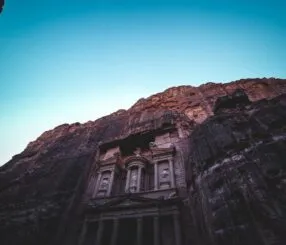
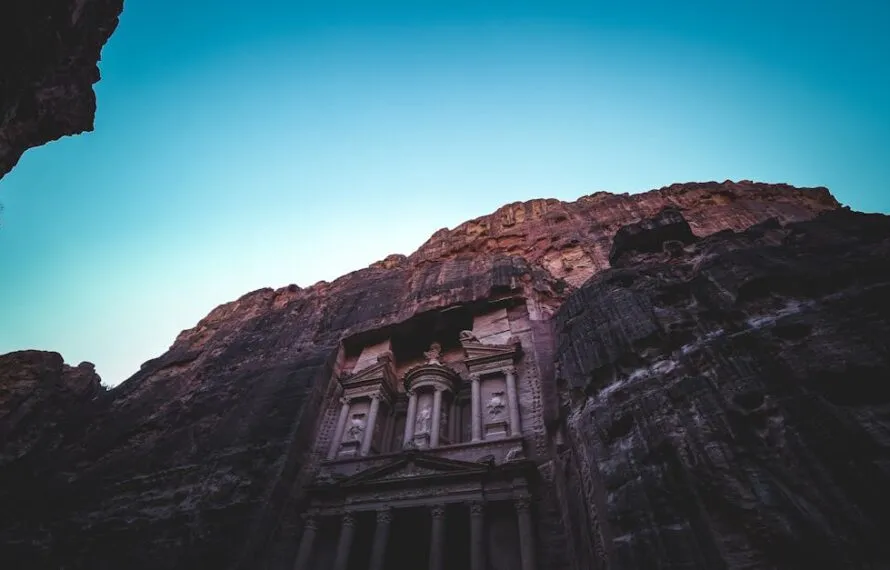
Tourists can freely capture images of the iconic Treasury, the Monastery, and the many tombs and facades carved into the rose-red cliffs.
The lack of a permit requirement for personal photography makes it easy for visitors to focus on enjoying their surroundings without worrying about bureaucratic hurdles.
No General Permit Needed for Personal Use
While personal photography is generally unrestricted, it’s important to note that this freedom is limited to non-commercial purposes.
As long as the photos are for personal use and not intended for sale or professional publication, visitors can snap away without needing any special permissions.
This policy helps maintain a balance between allowing tourists to enjoy their visit and preserving the integrity of the site.
Commercial and Professional Photography Rules
When it comes to commercial and professional photography, the rules at Petra become more stringent.
A permit is mandatory for anyone intending to use the images for commercial purposes.
This includes professional photographers, filmmakers, and anyone planning to publish or sell their work.
When a Permit Is Mandatory
A photography permit is required for any commercial activity, including advertising, media production, and professional photo shoots.
The permit ensures that the activities do not disrupt the experience for other visitors and that the site is respected and preserved.
The process of obtaining a permit involves several steps and considerations.
Application Process and Fees
To apply for a commercial photography permit at Petra, one must contact the Petra Development and Tourism Region Authority (PDTRA).
The application process typically involves providing details about the project, including the purpose, duration, and specific locations within Petra where the photography will take place.
Fees for permits vary depending on the scope and nature of the project, and applicants should be prepared for potential costs.
Specific Locations or Equipment Requiring Permits
Certain areas within Petra may have additional restrictions or require specific permissions, especially if the photography involves large equipment or setups that could interfere with the site or other visitors.
It’s essential for photographers to clearly outline their plans and equipment in their permit application to avoid any issues during their shoot.
Drone Photography Regulations
Drone photography at Petra is subject to strict prohibitions.
The use of drones is generally not allowed, primarily due to concerns over safety, privacy, and the potential for damage to the site.
These regulations are in place to protect both the historical integrity of Petra and the safety of its visitors.
Strict Prohibitions and Reasons
The prohibition of drones is enforced to prevent disturbances to the archaeological site and to ensure the privacy and safety of visitors.
Drones can pose a risk of physical damage to the ancient structures and can also disrupt the visitor experience with noise and intrusion.
As a result, drone use is heavily restricted, and exceptions are rarely granted.
Consequences of Unauthorized Drone Use
Using a drone without permission can lead to severe consequences, including fines and legal action.
Authorities at Petra take these violations seriously, and individuals caught using drones illegally may face confiscation of their equipment and potential bans from the site.
It’s crucial for visitors to adhere to these rules to avoid any negative repercussions.
Restricted Areas and Photography Etiquette
While Petra is a photographer’s paradise, there are areas where photography is restricted, and visitors must adhere to specific etiquette.
Respecting these guidelines is essential for preserving the site’s cultural and historical significance.
Sacred Sites and Tombs
Certain areas within Petra, such as sacred sites and tombs, may have restrictions on photography to protect their sanctity and prevent damage.
Visitors should be mindful of signs indicating no-photography zones and respect these boundaries to ensure the preservation of these important historical sites.
Respecting Local Culture and Visitors
Photography etiquette at Petra extends beyond the physical site to include respect for local culture and fellow visitors.
It’s important to be considerate when taking photos of people, always seeking permission before capturing images of locals or other tourists.
This respect fosters a positive environment for everyone visiting Petra.
Tripods and Large Equipment Considerations
While personal photography is generally unrestricted, using tripods or large equipment may require additional permissions.
These setups can obstruct pathways and disrupt the flow of visitors, so it’s important to use them judiciously and with consideration for others.
Tips for Capturing Petra’s Beauty
To make the most of a photography session at Petra, it’s helpful to consider the best times of day, recommended equipment, and unique angles that highlight the site’s beauty.
Best Times of Day for Light
The lighting at Petra can dramatically affect the quality of photographs.
Early morning and late afternoon are ideal times for capturing the site, as the soft, golden light enhances the natural colors of the sandstone.
These times also tend to be less crowded, allowing for more serene and unobstructed shots.
Recommended Equipment
While a basic camera or smartphone can capture beautiful images, having a camera with manual settings can offer more control over exposure and focus.
A wide-angle lens is particularly useful for capturing the grandeur of Petra’s vast landscapes and intricate architecture.
Unique Angles and Perspectives
Experimenting with different angles and perspectives can lead to striking photographs.
Climbing to higher vantage points or exploring less-traveled paths can provide unique views of Petra’s iconic structures.
Capturing reflections in water or framing shots with natural elements can also add depth and interest to photos.
Penalties for Violating Photography Rules
Adhering to Petra’s photography rules is crucial to avoid penalties, which can include equipment confiscation, fines, and legal actions.
The authorities at Petra are committed to preserving the site’s integrity and ensuring a respectful environment for all visitors.
Equipment Confiscation
Violating photography rules, such as using drones or photographing restricted areas, can result in the confiscation of equipment.
This measure is taken to enforce compliance and protect the site from potential harm or disruption.
Fines and Legal Actions
In addition to equipment confiscation, violators may face fines or legal actions.
These penalties serve as a deterrent to ensure that all visitors adhere to the established guidelines and contribute to the preservation of Petra’s historical and cultural heritage.
In conclusion, while personal photography at Petra is generally unrestricted, understanding the rules for commercial, drone, and restricted area photography is essential.
By respecting these guidelines, visitors can enjoy capturing the beauty of Petra while contributing to its preservation for future generations.
Sem comentários